Archive | May, 2014

Feed the world

31 May

KI0A4532

Hunger is an increasingly serious issue in America. Even in Iowa – a state with some of the richest, most productive farmland in the world – one out of every six people don’t know where their next meal is coming from.

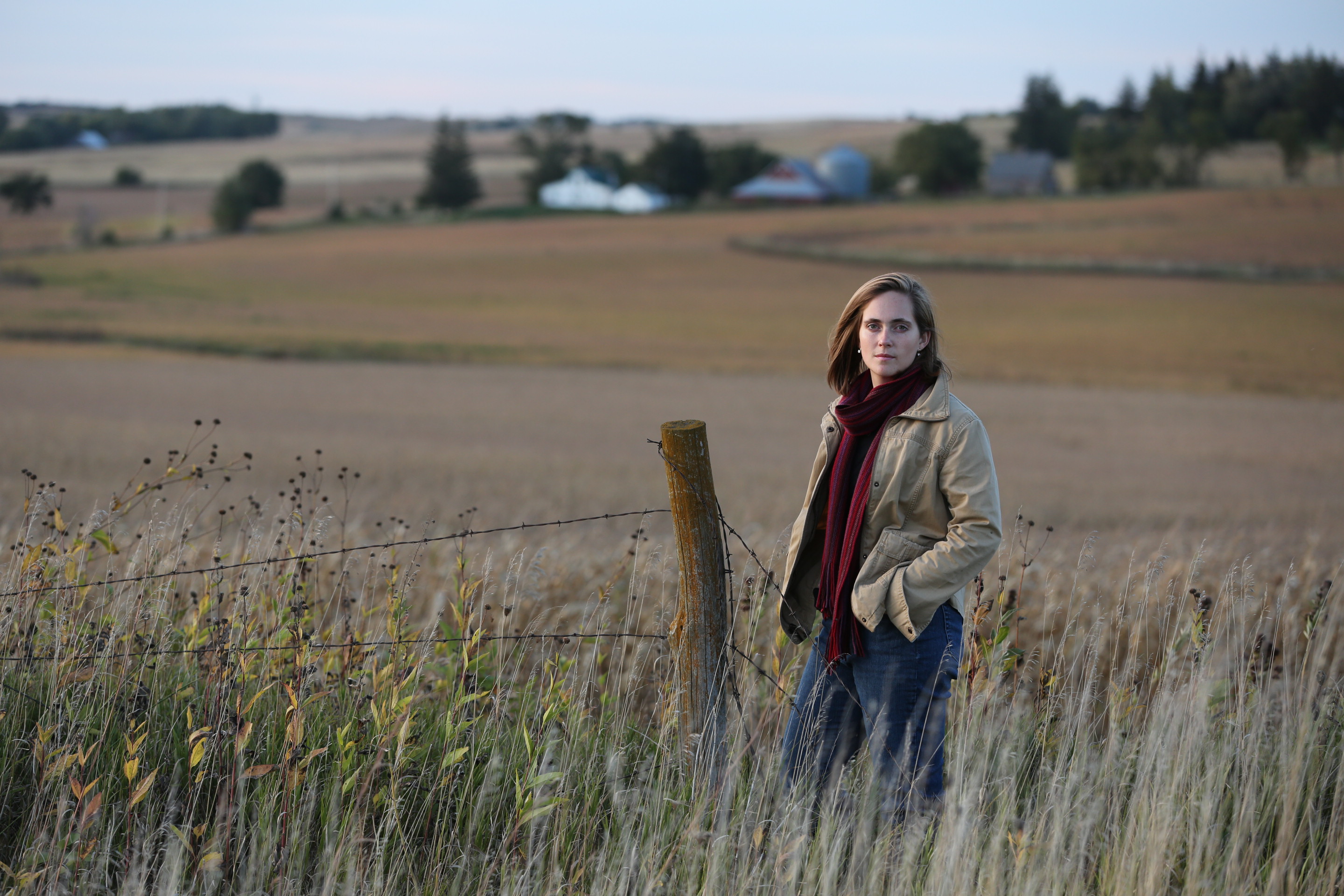
Catherine Swoboda (’08 agronomy, MS ’10 crop production & physiology) works to raise awareness about hunger issues through her position as director of Iowa and Midwest education programs for The World Food Prize Foundation in Des Moines. She designs educational programs for high school students and teachers to expose them to issues of global agriculture and hunger.

“Everyone is subject to food insecurity,” Catherine says. “We’re all fragile and vulnerable.”

Catherine got her start with the World Food Prize in high school when she participated in the World Food Prize Institute and met its founder, Nobel Peace Prize Laureate Norman Borlaug.

“I was captivated by the idea that science could make a real difference in people’s lives,” she said.

She was a Borlaug-Ruan International Intern in Brazil between high school and her freshman year at Iowa State – an experience she calls “life-changing.” As an ISU student she studied for nine months in Costa Rica and following graduation spent two years in Washington, D.C., with the Agronomy, Crop and Soil Science Societies of America, working with agencies and departments on issues surrounding agriculture.

Today, in her position with the World Food Prize, she directs the Iowa Youth Institute, helps run the World Food Prize Borlaug Dialogue Symposium, and organizes the Iowa Hunger Summit. She also serves on the Iowa Governors STEM Advisory Council.

Catherine grew up on Des Moines’ eastside.

“I always assumed I’d live in Iowa long term,” she said. “Iowa has a special, rich humanitarian heritage. I have a deeper appreciation of that now.”
An Oklahoma cowgirl

31 May

173F2378

Oklahoma City is going through a renaissance.

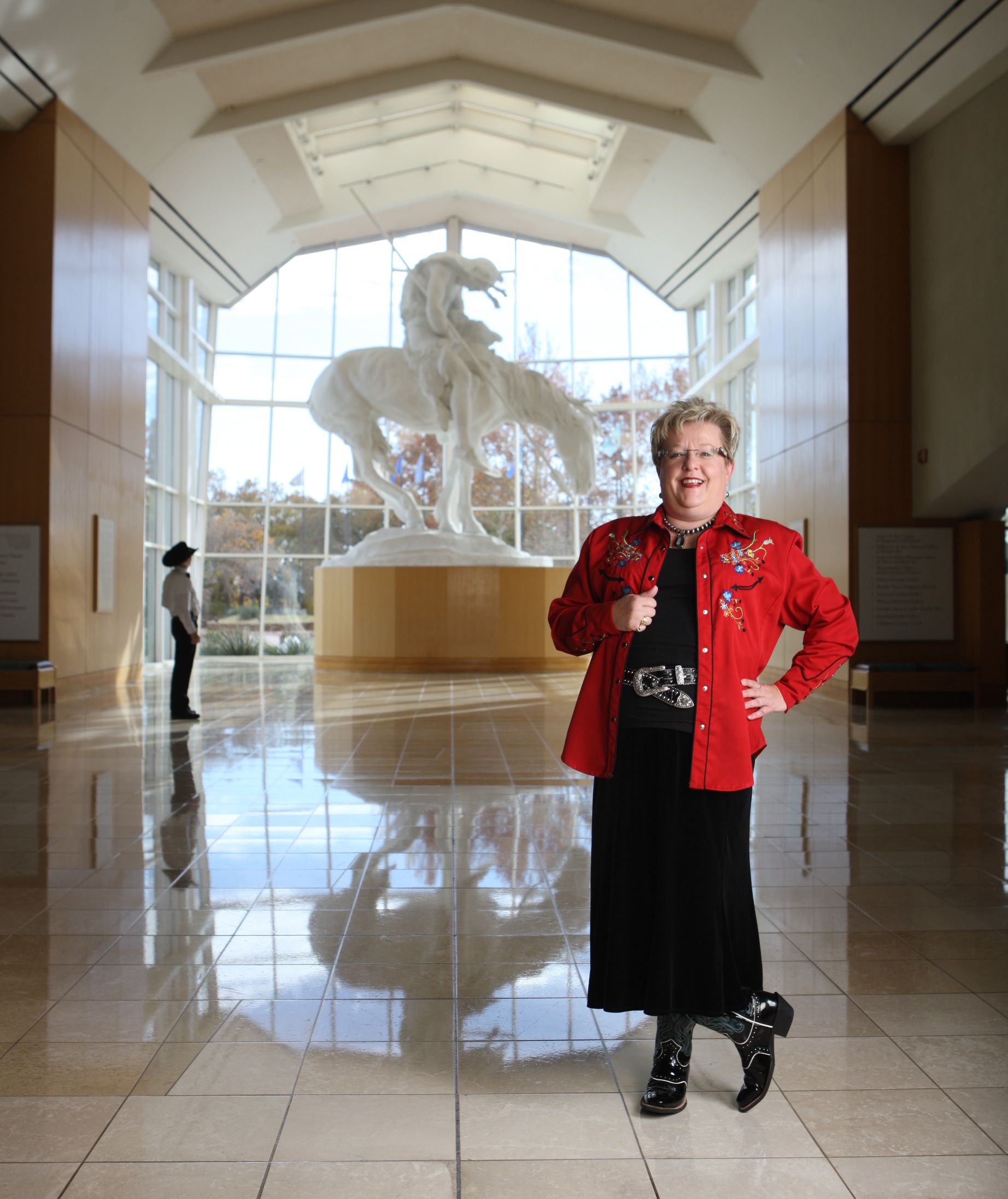
“There’s an energy about this place,” says Leslie Baker (’86 ag journalism) – and she could either be talking about her city or her museum.

Leslie is the director of marketing for the National Cowboy & Western Heritage Museum. The 220,000-square-foot facility, a premier showplace for western art and history, is visited by more than 200,000 visitors a year.

“As director of marketing I’m always trying to get the needle higher, so I need a bunch of Cyclones to come see us,” Leslie said, laughing.

With a background in journalism, agriculture, horses, and advertising, the job is a perfect fit for her skills. And it all started at Iowa State.

A 1986 ag journalism grad from Centerville, Iowa, Leslie says, “I had the internship of all internships, because I was a horse-crazy 4-H girl from Iowa and I got to go work at the Quarterhorse Journal in Amarillo, Texas. My internship really did open the doors that I needed for my career, and my education at Iowa State is the foundation that I use every day.”

Following graduation, Leslie went to work for the American Quarterhorse Association, where she stayed for 12 years before moving to a full-service advertising agency in Amarillo. She took the museum position in 2003 just as the last gallery came on line at the end of a multi-year expansion, tripling in size in the mid-1990s.

“I am blessed to this day to combine what I love – which is really the west and horses and people of the land – with what I do,” she said. “It’s a gift.”

Leslie has two children, a 20-year-old son, Hagan, and a 9-year-daughter, Hadley.

As for Oklahoma City, its renaissance began after the 1995 bombing of the downtown federal building.

“The people chose to redefine the city,” she said. “They weren’t going to let that be all that we were. They had a choice to rise from that tragedy and be bigger and better than they ever had been.”

A note about the photo: Leslie is standing before the 18-foot James Earle Fraser The End of the Trail sculpture. “It’s awe-inspiring,” she says.


Rocket scientist

31 May

173F0619

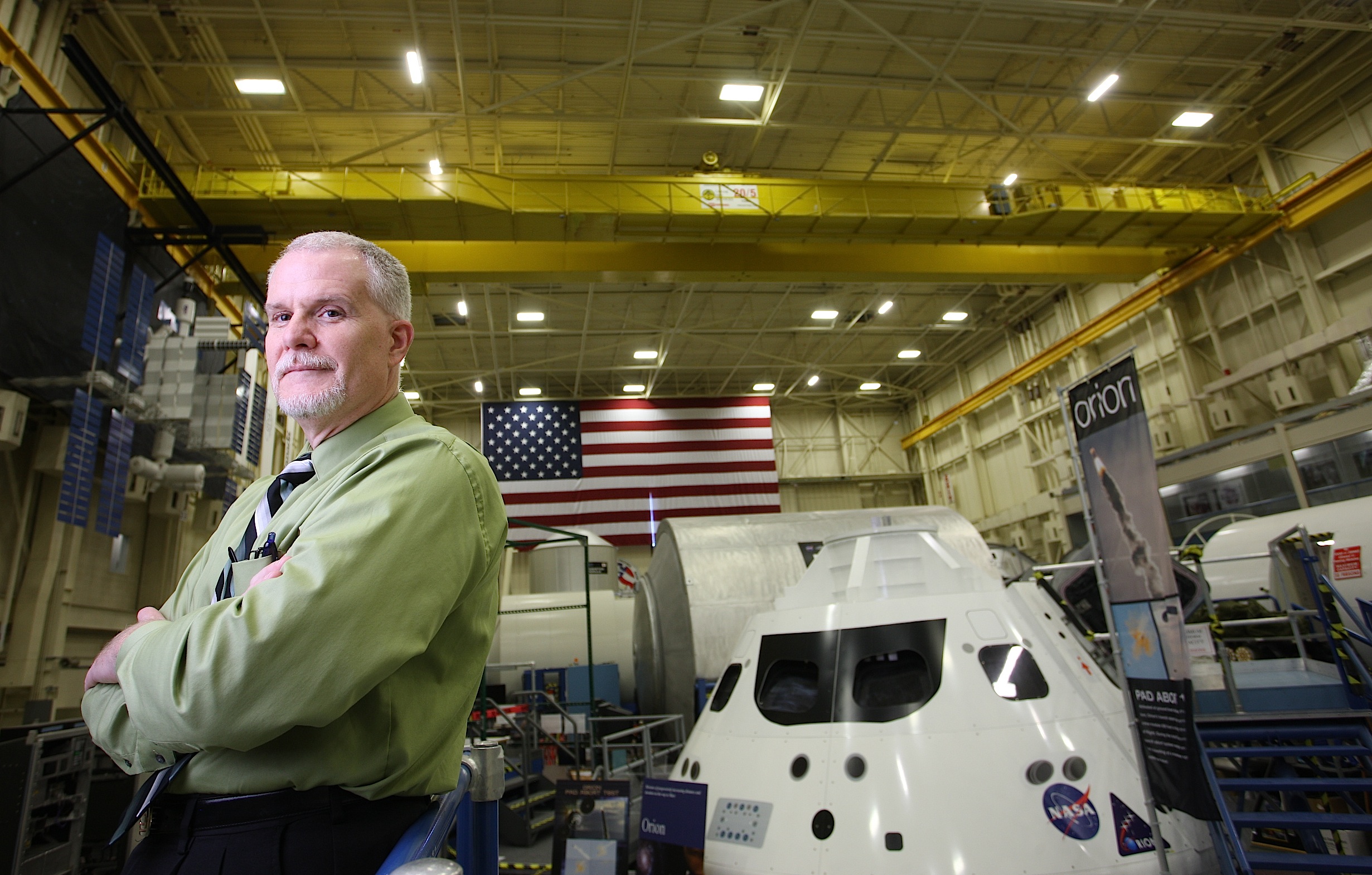
Like so many other Iowa State aerospace engineering graduates, Richard Schmidgall began his career with the U.S. space program at Johnson Space Center in Houston, Texas – and never left.

The 1983 grad from Mackinaw, Ill., was first employed by McDonnell Douglas and Rockwell Space Operations, both NASA contractors, before going to work directly for NASA in 1989. And until May 2011 he spent his entire career supporting the Space Shuttle program, working on trajectory abort design and later becoming the lead engineer for ascent flights on the Shuttle and deputy manager for the Space Shuttle Systems and Integration Office.

“After the Challenger accident occurred in 1986, things changed,” he said. “We developed contingency abort modes in the event we would lose two or three main engines during the ascent flight phase. We developed the capability that the crew could actually bail out of the orbiter. Luckily, we never had to do that.”

Richard said that being placed in a lead role after the Challenger accident while still early in his career is a source of pride.

“Being able to work through that and get us to the point where we could fly again was a highlight of my career.”

Richard also held a lead role in developing a system to allow the Shuttle to launch in a wider variety of wind conditions. Prior to the project, approximately 50 percent of launches were scrubbed due to wind velocity. After the new capability was implemented, he said, “we never scrubbed a launch.”

“To be a part of that project team, to ensure that we had the right safety parameters in place and do it with the quality and assurance that we would not compromise the vehicle or crew on day of launch was terribly rewarding.”

Currently, Richard is the assistant manager and contracting officer technical representative for the Orion program. Orion is NASA’s next major crew vehicle for exploration. The vehicle will be responsible for routine flights to the International Space Station as well as eventually returning to the Moon, exploring near-Earth asteroids, and – someday – Mars.

Missions are targeted for 2014, 2017, and 2020.

Up in the air

31 May

IMG_2578

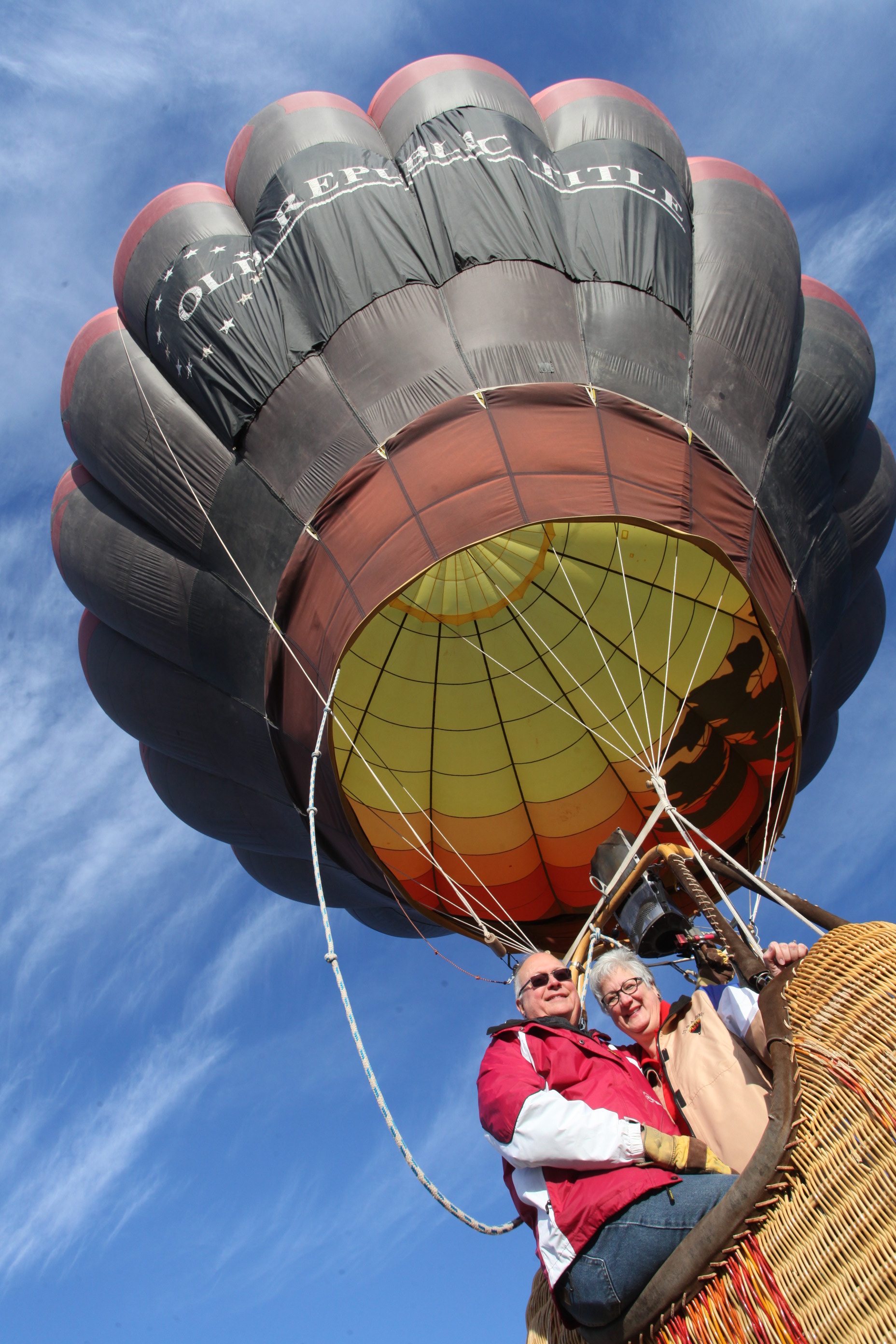
It’s 6:30 a.m. on a cold November morning in Albuquerque, NM. Lyndi Dittmer-Perry, her balloon-pilot husband, Jim Perry, and their six-person hot-air-balloon crew are gathering in the Albuquerque International Balloon Museum parking lot.

Everyone has a job to do to get this balloon airborne, and the crew works together like they’ve been doing this for years – because they have.

Jim and Lyndi both graduated from Iowa State but didn’t know each other then – Jim graduated in 1967 with a degree in electrical engineering and Lyndi in 1983 with a degree in industrial administration. In 1994 they met through mutual friends in Albuquerque and, after a short courtship, were married in a balloon-themed wedding in Telluride, Co.

“It was adventuresome,” Lyndi says.

Jim is retired after spending 32 years with Sperry Flight Systems/Honeywell in electrical engineering and avionics. Lyndi is the owner of Blue Side Up, Inc., a project and program management company.

Their passion is hot-air ballooning. Jim started out as part of a crew in 1991, got his private pilot’s license in 1992 followed by a commercial pilot’s license, and has been flying ever since.

“It’s an expensive hobby,” he says.

“The saying is, ‘The first ride is free; the second one is $30,000,” Lyndi jokes.

Lyndi, too, has her private pilot’s license. “For Jim, it’s a passion for flying,” she says. “For me, it’s more about understanding what’s going on.”

“We have a lot of fun with it,” she continues. “The crew is a lot of fun. Ballooning is an excuse to get together.”

New Mexico is home to the world’s largest hot-air balloon festival, the annual Albuquerque International Balloon Fiesta. For nine days – and three nights – each fall, Jim and Lyndi and the “Zoo Crew” take up their Serengeti-themed balloon, “It’s a Zoo.”

And now, here we are, still in the parking lot. The sun is up, the sky is blue, and it’s time to go up, up, and away.

The crew has worked hard to get the balloon ready for Jim and Lyndi to fly. So what do they get in return?

“Jim pays us in breakfast,” they say, laughing.

Take a hike

31 May

173F1550

Being bored in her retirement is not a concern for Elizabeth “Debbie” (Sisson) Wych.

Debbie and her husband, Bob, moved from Iowa to Sedona, Ariz., in 2009 after visiting the area a few years earlier for spring break.

“We loved the hiking and the weather,” she said.

She quickly got involved in Friends of the Forest, a group of volunteers who support the U.S. Forest Service. Debbie regularly volunteers for trail patrol and at the Ranger Visitor Information Center. For their work with the organization, she and Bob received the Friends of the Forest 2012 Volunteer of the Year award.

It’s hard to imagine that Debbie (’70 elementary education) is any less busy now in her retirement than she was when she was working full time back in Iowa, where she was an elementary school counselor (for 18 years in Dallas Center-Grimes Elementary and Beaver Creek Elementary in Johnston). Besides Friends of the Forest, she is also involved in her church, plays in the bell choir, is a “big sis” to a 14-year-old girl through Big Brothers/Big Sisters, is a member of the Red Rock Quilters, and participates in other service organizations in the Sedona area. She also hikes several times a week, exercises, and takes classes at a local fitness center.

“I never have to worry about what I’m going to do,” she said.

She and Bob also like to travel, and Debbie says they never miss an opportunity to cheer on the Cyclones.

Luck be a lady

31 May

173F0744

That Bob Gannon grew up in Mingo, Iowa, as one of 14 children is one of the least interesting things about him. That he has a seat on the Chicago Board of Trade and is a “Name” with Lloyd’s of London are also far down the list.

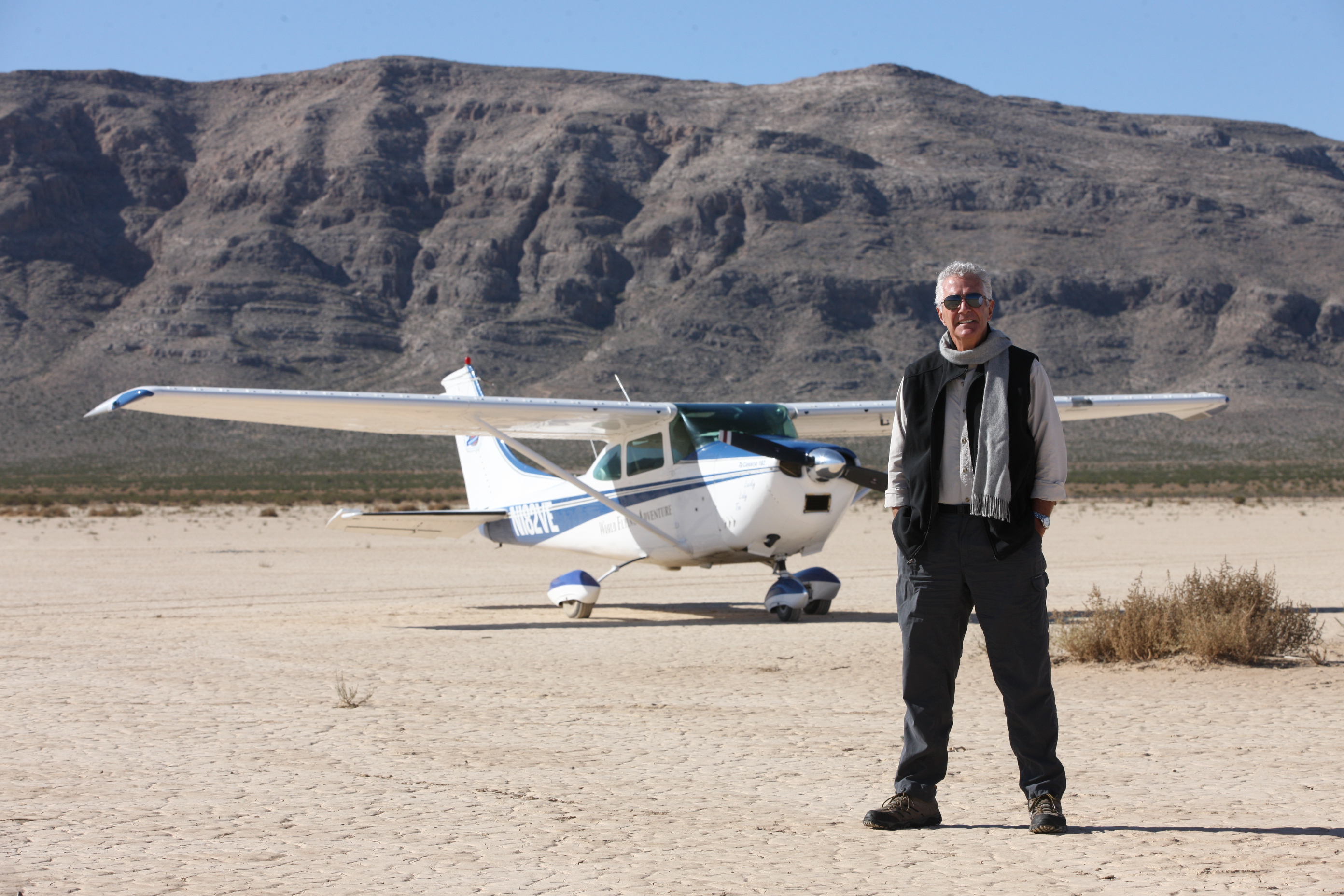
That Bob Gannon (’74 ag business) has survived death-defying feats such as flying solo around the world in a single-engine Cessna 182 and landing in more than 1,200 places and visiting every continent on the planet – well, that’s pretty interesting.

He caught the adventure bug back in 1992. He had been a medic on a medevac helicopter in the Vietnam War, and he always enjoyed flying. So he got a pilot’s license, bought a small airplane named Lucky Lady, and flew to Paris. Four months later, he crashed on takeoff in Nairobi, Kenya. He had made it halfway around the world.

For the next eight years, he talked about finishing his around-the-world adventure.

“In 2000 I decided to quit talking about it,” he said. “I was nearly 50. I decided to do it over a 10-year period to allow me to see and experience as much of the world as I possibly could.”

He bought “Lucky Lady Too” and set a world aviation record. He traveled for the next 10 years – for about a month at a time – to 35 African countries, nearly all of the Middle East, and to all North American, South American, and Central American countries – plus the North Pole and Antarctica. In all, he made 43 “legs,” traveling around the world 2 ½ times.

Surprisingly, it isn’t about the flying at all. “I don’t love to fly,” Bob says. “The plane gets me where I want to go. I don’t claim to be a good pilot, but I am a lucky pilot.”

Bob’s adventures have included motorcycle trips in New Zealand and Vietnam, scuba diving, attending a bachelor’s ball in Australia, and climbing to Mount Everest base camp.

Today, at age 60, Bob’s home is in Henderson, Nev., but he continues to travel. “Follow your curiosity,” he says. It’s because of his insatiable curiosity that he traveled around the world.

“I wanted to see things before I die.”

The light fantastic

31 May

09-26-13 TOM KI0A8919 copy

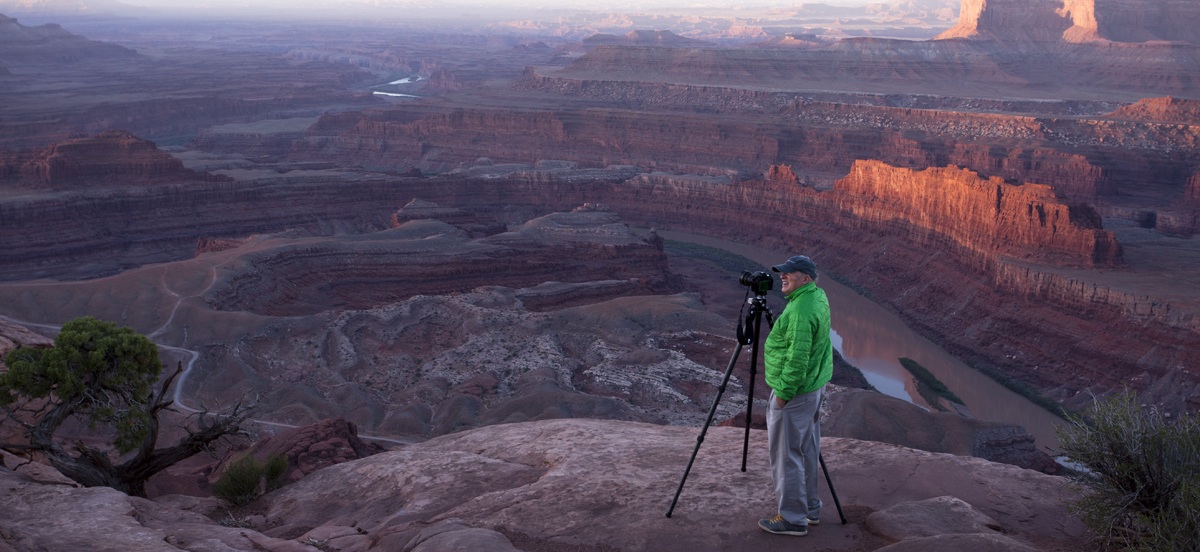
If a picture is worth a thousand words, Tom Till’s vocabulary numbers well into the millions.

His iconic images of the American Southwest have been published in National Geographic, the New York Times, Outside, Arizona Highways, and many other magazines, and he is the sole photographer for more than 30 books, including Utah: The Light Fantastic and Photographing the World: A Guide to Photographing 201 of the Most Beautiful Places on Earth. He is one of America’s most published landscape and nature photographers.

Tom grew up in northwest Iowa, but his family’s frequent trips to southern California exposed him at an early age to the wonders of the desert Southwest. He soon found himself drawn more to the rock formations in Utah than to the characters at Disneyland.

He majored in English at Iowa State, graduating with his bachelor’s degree in 1971. After a short time as a musician in the rock band “Rural” (which eventually landed him in the Iowa Rock ’n’ Roll Hall of Fame), he moved to Moab, Utah, where he taught high school.

Surrounded by the beauty of the local landscape, Tom found he “wanted to capture the things out here that I was seeing.” He turned to photography.

He found that he was good at it. In 1976, Tom committed himself to making a living in nature photography, something few photographers are able to do.

He shot first in Utah and the Southwest before branching out to the Rocky Mountains, the eastern U.S., and to more than 100 countries, mostly using a 4×5-format film camera. Many of his classic images can be found in the Tom Till Gallery on Main Street in Moab and at tomtillphotography.com.

But Tom’s home and his heart remain in Moab.

“Utah has a huge variety of things to shoot,” he says. “You could explore the Moab area for your entire life and only scratch the surface. The best light and best subjects in the world are here. Just being here is fantastic.”

Jack of all trades

31 May

KI0A9635

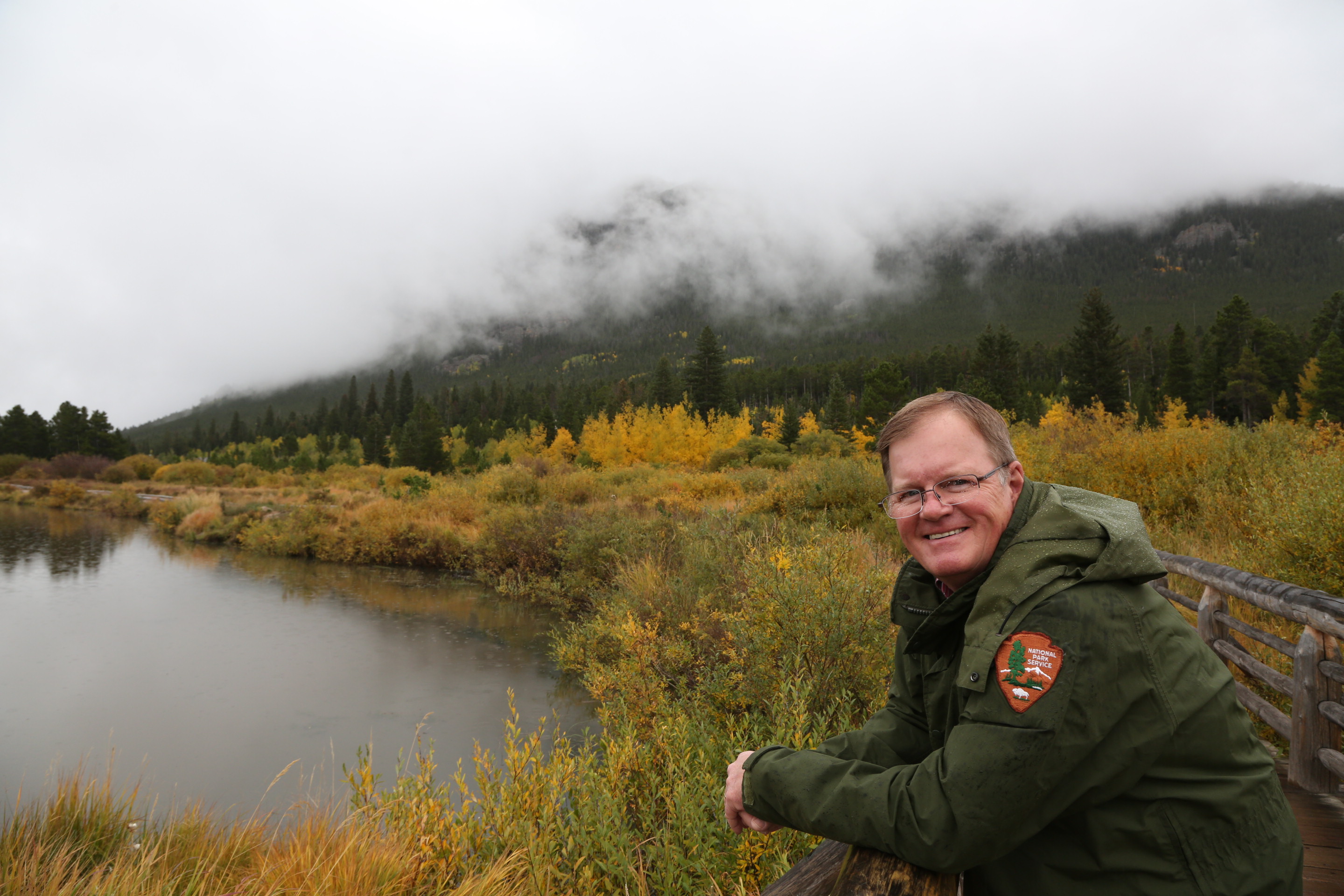
After 42 years working for the National Park Service from California to North Carolina, Pat Reed (’71 outdoor recreation resources) chose Colorado for his retirement.

Pat began his National Park journey while he was still a student at Iowa State, working as a seasonal employee at Mount Rushmore in 1969 and then as an intake trainee at Grand Teton. By the time he graduated, he had a permanent job as a national park ranger.

He worked in a series of positions at Grand Teton, the Jefferson National Expansion Memorial (St. Louis Arch), Death Valley, Sequoia and King’s Canyon, Wilson’s Creek, Cape Hatteras, Rocky Mountain, and Natchez Trace Parkway.

For 21 years as a field ranger, he often responded to fires and other emergencies, was a federal law enforcement officer, supervised and participated in search-and-rescue missions, backcountry patrols, and snow survey patrols.

“I’m part of a dying breed of rangers who learned to do it all,” Pat said. “We were jacks of all trades. Is there a bear problem? A fire? A missing child? Call a ranger. Today they tend to be more specialized.”

At Cape Hatteras National Seashore, for example, Pat quickly learned how to handle a beached whale. And although the Iowa native was always an outdoor enthusiast, he found he had to learn specialized mountain, desert, and seashore skills.

He has endless stories to tell.

“All the ranger stories begin with, ‘There I was…’ and end with “and that ain’t no lie,’” he joked.

His last two positions were as the superintendent of Chickamauga & Chattanooga National Military Park in Georgia and Tennessee and Mammoth Cave National Park in Kentucky.

His decision to settle with his wife, Darit, in Fort Collins, Colo., near Rocky Mountain National Park was twofold: “We knew we wanted to come back to the mountains,” he said, “and Rocky is one of the gems of the National Park Service.” He hopes to volunteer in the park and help plan its upcoming centennial celebration. His two grown daughters had also moved to Colorado, and he wanted to be close to his grandchildren.

He says he’s had a wonderful life.

“The mission of the National Park Service to preserve and protect our special places for this and future generations is compelling,” he said. “You feel you’re part of something bigger than you are.”


The cowboy professor

31 May

KI0A0783

Dennis Steele wears two hats.

During the school year, he’s an associate professor of computer science at Regis University in Denver.

He wears his other hat – a huge, black cowboy hat – as owner of Bit-O-Wyo Ranch, a guest ranch with a horse barn dinner show and trail rides near Cheyenne, Wyo.

Dennis grew up in Cheyenne. He earned an undergraduate degree in applied math and a master’s in philosophy. He came to Iowa State for his Ph.D. in computer science while he was teaching at Graceland College (now university) in Lamoni, Iowa.

He bought land between Cheyenne and Laramie, built a home there in the 1980s, and raised a family. Today, he and his wife, Molly, run the ranch, and his daughter operates a children’s adventure camp there each June.

Starting around the Fourth of July, the horse barn transforms into dinner show, with a chuckwagon line featuring “cowboy grub” followed by a bluegrass vocal show starring Dennis, his family, and friends in the Blue Water Cowboy Band. Last year, people came from 47 states and all over the world – more than 100 each weekend night.

“We do a lot of Nashville stuff, lots of comedy, and some cowboy poetry,” Dennis says. “I’ve been showing off with a guitar and banjo for a long time.”

Being both a college professor and a guest-ranching Wyoming cowboy doesn’t seem to bother Dennis in the least.

“I go from ‘Aw, shucks’ and spittin’ to teaching circuit programming theory,” he says, laughing. “I’m a cowboy PhD.”


Leap of faith

31 May

KI0A7732

At age 35, after applying to 11 veterinary schools, Sandy Anderson took a leap of faith.

When Iowa State’s College of Veterinary Medicine notified her that she was on a waiting list for the incoming class in 1999, she and her husband, Clint, moved to Ames. One month later, she learned she had been accepted.

She had never been to Iowa before.

Both natives of Pittsburgh, Pa., the Andersons believed Iowa State was the right fit for Sandy to study veterinary medicine. And it turns out they were right. Sandy graduated with her DVM in 2003.

A lifetime ago, Sandy was a dental hygienist on the east coast. Today, she is the sole veterinary provider in Lakeside, Mont.

“We knew we wanted to come here,” Sandy says. “We like the wide open space, the beauty. We wanted air to breathe.”

There are 1 million people in the state of Montana – fewer people than the county in which Sandy grew up. She and Clint bought land in Montana in 1994 and planned to retire there. But then they thought, “Why wait?”

When Sandy graduated from Iowa State, they moved to Eureka, a tiny town in northwestern Montana. She joined a mixed-animal practice.

“I was open minded,” Sandy said of her experiences with cows, horses, ostriches, goats, pigs, mules, and ponies in Eureka.

Clint saw it differently. “Sandy was thrown to the fire,” he said.

After several incidents with large animals, including a concussion from being head-butted by a cow, Sandy decided the mixed practice was not for her.

“I like small animals,” she says. “They’re much more suited to me.”

She learned that a part-time veterinarian in Lakeside was retiring, so she bought his phone number and client list. She found a small space in town and called her new clinic the Great Northern Veterinary Center. Clint works with her in the front office.

“There’s a good quality of life here,” Sandy says. “Lakeside is a good place for us, a good fit. We’re surrounded my like-minded people.”

The couple enjoys living near Flathead Lake and their proximity to Glacier National Park.

“We try to get to Glacier as often as we can,” Sandy says. “We try to drive the Going-to-the-Sun Road in every season. September is the best time. But it’s a wonderful place to go in every season, even in winter. It’s in our neck of the woods.”

Sandy and Clint have two dogs, Teddy and Raisinet, who go to work with them every day, and they have three cats at home.

Clint says he likes to watch new clients as they look at the diploma on Sandy’s wall.

“You can just see it in their eyes,” he says. “They’re thinking….IOWA? Where’s Iowa?”